


The Velvet Survivalist: Luxury Living at the End of the World


There was a time when “survival skills” sounded extreme.
People imagined bunkers, canned beans, camouflage, and doomsday television shows.
But today, survival looks different.
Survival is:
learning how to stretch groceries
growing herbs on your windowsill
knowing how to cook from scratch
budgeting smarter
storing essentials
reducing waste
creating multiple income streams
and building peace in uncertain times
When gas prices rise and groceries become harder to afford, everyday people begin realizing something important:
Preparedness is not paranoia.
It’s wisdom.
Modern Survival Is About Stability
Many households are feeling pressure:
higher rent
expensive utilities
food inflation
rising transportation costs
shrinking free time
emotional burnout
People are working harder yet feeling less secure.
That’s why learning survival-minded habits is becoming less about fear and more about freedom.
A survival mindset means:
thinking ahead
reducing dependency
learning practical skills
and creating comfort even during instability
Food Is the New Luxury
One grocery trip can feel shocking now.
Simple items that once seemed inexpensive suddenly cost double:
eggs
meat
produce
cooking oils
snacks
household basics
This is why people are returning to older skills:
meal prepping
gardening
food preservation
couponing
freezer storage
baking bread
cooking large meals from simple ingredients
Our grandparents understood something many people forgot:
resourcefulness creates resilience.
Survival Can Still Be Beautiful
Preparedness does not mean living in fear or deprivation.
It can actually look peaceful:
organized pantries
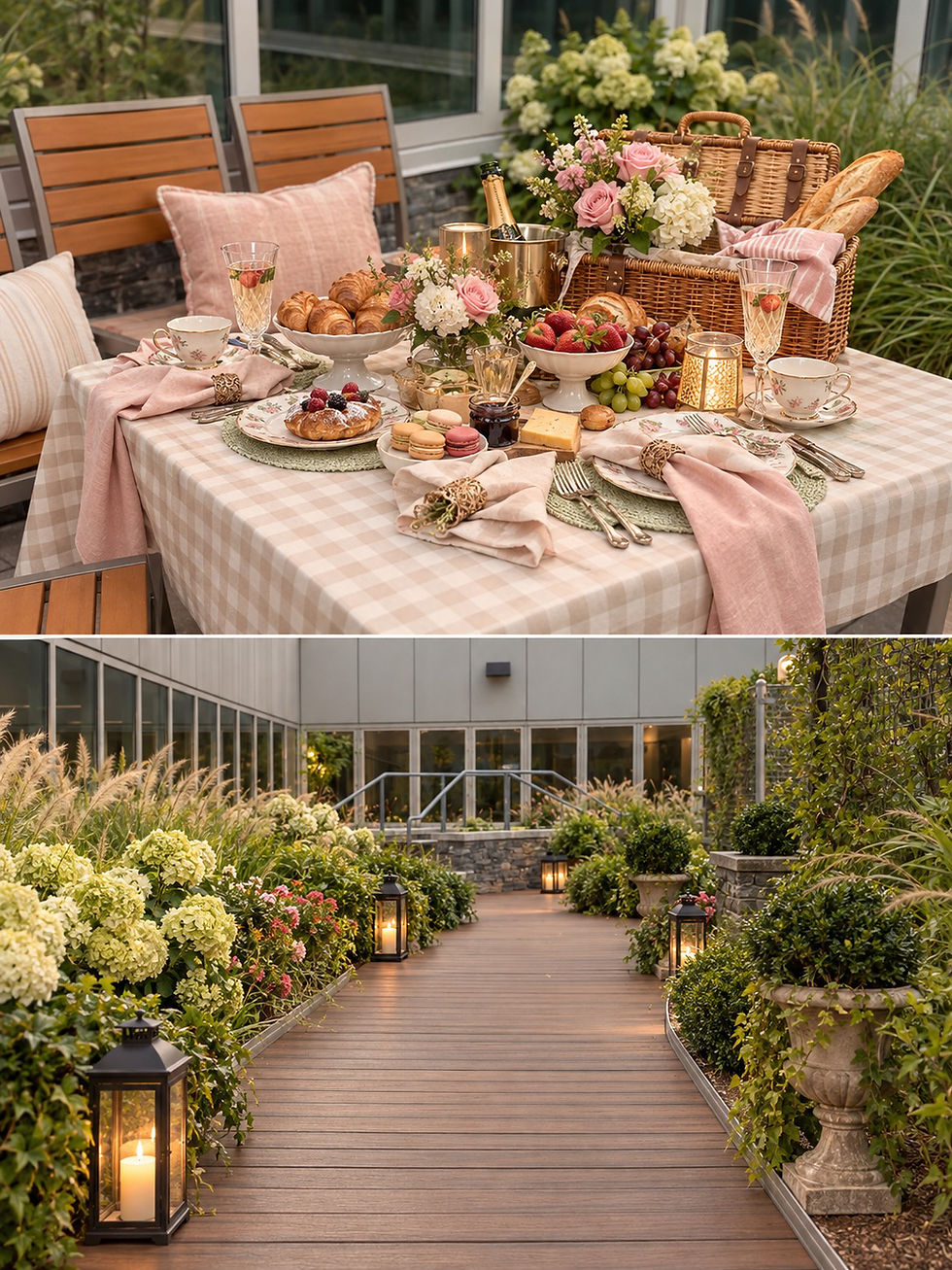
candlelit dinners at home
homemade soups
balcony gardens
drying herbs
learning natural wellness
creating cozy routines
repairing instead of replacing
The “soft life” and survival lifestyle are not opposites.
In many ways, they work together.
Because true luxury is:
knowing how to take care of yourself
creating peace at home
and building stability regardless of what the economy is doing
The Power of Community and Shared Knowledge
During difficult economic times, communities become important again.
People begin:
trading skills
sharing recipes
swapping seeds
supporting local farms
buying secondhand
teaching one another practical knowledge
Survival isn’t always about isolation.
Sometimes survival is community wisdom.
Small Changes Make a Big Difference
You do not need a bunker or acres of land to become more prepared.
You can start with:
storing extra water
freezing leftovers
growing green onions in water
learning 10 affordable meals
reducing food waste
keeping emergency cash
building a small pantry over time
Every small habit creates more security.
A true luxury survivalist doesn’t panic.
She observes systems, understands waste, builds comfort from overlooked abundance, and turns chaos into a curated lifestyle.
The secret to surviving elegantly during hard times is understanding that modern cities throw away enormous amounts of usable resources every single day.
The Golden Rule of Luxury Survival
Think like:
a chef
a gardener
a hotel manager
a medic
a minimalist
and an artist
Your goal is not just to survive.
Your goal is to create:
warmth
beauty
nourishment
comfort
cleanliness
and community
Even during collapse.
Grocery Stores: The Urban Gold Mine
Produce Department
Most grocery stores discard:
bruised fruit
wilted herbs
carrot tops
cabbage leaves
bananas with spots
slightly soft tomatoes
These become:
soups
sauces
compost
smoothies
infused waters
garden fertilizer
Luxury Survival Tip
Create a “rolling stock pot.”
Keep:
onion skins
celery ends
herb stems
mushroom scraps
chicken bones
Freeze them in bags until full.
Then simmer for:
mineral-rich broth
ramen base
rice cooking liquid
healing soups
A luxurious survivor wastes nothing.
Bakery Section = Comfort Economy
Day-old bread becomes:
croutons
bread pudding
stuffing
breadcrumbs
French toast casseroles
Stale croissants?
Turn them into:
almond pastries
strata
breakfast bakes
Luxury is often reinvention.
Free Boxes = Infrastructure
Every shipment cycle produces:
cardboard
pallets
crates
produce boxes
These become:
raised garden beds
insulation
compost layers
shelving
fire starters
storage systems
Waxed produce boxes are especially valuable.
Use them for:
moisture barriers
temporary roofing
mushroom growing containers
Dumpster Gardening & Seed Recovery
Many discarded foods still contain viable seeds:
peppers
tomatoes
squash
melons
avocados
lemons
Regrow from scraps:
green onions in water
celery hearts
lettuce bases
potato eyes
garlic cloves
Create elegant container gardens from:
olive oil tins
wine crates
bakery buckets
restaurant herb containers
Hospitals & Institutional Systems
Hospitals operate like miniature cities.
In a real emergency, understanding systems matters:
laundry
water access
sanitation
backup generators
food service logistics
medical supply chains
But ethically and legally:
never trespass, steal supplies, or interfere with emergency care.
Instead, learn from their systems:
organization
sterilization
ration planning
cleanliness routines
emergency redundancy
Luxury survival depends heavily on hygiene.
The best survivor smells clean, eats safely, and avoids infection.
The Luxury Survival Kitchen
A refined doomsday kitchen contains:
dried beans
lentils
rice
oats
salt
vinegar
powdered milk
canned fish
herbs
tea
honey
Not because it’s glamorous —
because it’s intelligent.
The Flavor Rule
Store:
garlic
bouillon
smoked paprika
soy sauce
hot sauce
citrus
Morale matters.
A warm seasoned meal keeps people emotionally stable.
Forgotten Luxury Resources
Hotels
Discard:
mini toiletries
linens
candles
coffee supplies
Florists
Discard:
greenery
buckets
organic matter for compost
Restaurants
Often discard:
bones
vegetable trim
stale bread
citrus peels
Hardware Stores
Broken bags of:
soil
mulch
seeds
gravel
Can often be repurposed for gardens.
Soft-Life Survivalism
Luxury during hardship means:
clean sheets
candlelight
herbs hanging to dry
music
tea rituals
organized shelves
beautiful meals from humble ingredients
The elegant survivor:
learns preservation
builds community
grows food
repairs clothing
cooks creatively
and transforms waste into abundance.
Because real luxury is resilience
Final Thoughts
We are living in a time where many people are rethinking what stability really means.
Survival today is not just about emergencies.
It is about adapting intelligently to rising costs, uncertainty, and changing systems.
Learning practical life skills is not “doing too much.”
It is preparing yourself to remain calm, nourished, creative, and grounded no matter what happens around you.
Because in times like these, the most powerful thing you can build is resilience wrapped in comfort, knowledge, and peace.


Comments